30 Career Paths After Genetic Studies - Find Your Dream Job
The field of genetics is transforming the way we understand life, health, and the world around us. From decoding the human genome to developing groundbreaking therapies, genetics is at the forefront of scientific innovation. If you’ve studied genetics, you’re equipped with a versatile skill set that opens doors to a wide range of exciting career opportunities.
This guide will show you the best careers you can have after studying genetics, what skills you need, and what's new in this field. If you like doing research, working in hospitals, or using technology, there's a genetics job for you.
What Are Genetic Studies?
Genetic studies are a branch of science focused on understanding genes, heredity, and genetic variation in living organisms. This field explores how traits are passed from one generation to the next, how genes influence health and disease, and how genetic information can be used to improve medicine, agriculture, and other areas.
Key Areas Of Genetic Studies

Genetic studies encompass a wide range of disciplines, each focusing on different aspects of genes, heredity, and genetic variation. These areas provide the foundation for understanding how life works at the molecular level and how genetic information can be applied to solve real-world problems.
1. Molecular Genetics
Molecular genetics is the study of genes at the molecular level, focusing on their structure, function, and regulation. This field examines how genetic information is stored in DNA, transcribed into RNA, and translated into proteins. By understanding these processes, scientists can uncover the mechanisms that control cellular functions and influence traits.
- Applications:Molecular genetics has led to breakthroughs in understanding genetic diseases, developing gene therapies, and advancing biotechnology. For example, it has enabled the creation of recombinant DNA technology, which is used to produce insulin and other life-saving drugs.
- Techniques:Key techniques include DNA sequencing, polymerase chain reaction (PCR), and gene expression analysis. These tools allow researchers to study genes in detail and manipulate them for various applications.
2. Population Genetics
Population genetics explores genetic variation within and between populations. It investigates how factors like mutation, natural selection, genetic drift, and migration shape the genetic diversity of species over time. This field helps us understand evolutionary processes and the genetic basis of adaptation.
- Applications:Population genetics is used to track the spread of diseases, study the evolution of species, and conserve endangered populations. For example, it has been instrumental in understanding the genetic diversity of cheetahs, which has implications for their conservation.
- Techniques:Statistical analysis, genetic mapping, and phylogenetic studies are key tools in population genetics. These methods help researchers analyze genetic data and draw conclusions about evolutionary relationships.
3. Medical Genetics
Medical genetics focuses on the role of genes in human health and disease. It involves diagnosing, treating, and preventing genetic disorders, as well as understanding how genetic variations influence susceptibility to diseases.
- Applications:Medical genetics has revolutionized healthcare by enabling the diagnosis of genetic disorders like cystic fibrosis, Huntington’s disease, and sickle cell anemia. It has also paved the way for personalized medicine, where treatments are tailored to an individual’s genetic makeup.
- Techniques:Karyotyping, whole-genome sequencing, and genetic counseling are commonly used in medical genetics. These tools help identify genetic mutations and provide guidance to patients and their families.
4. Genomics
Genomics involves analyzing the entire genome of an organism to understand how genes interact and influence traits. It includes subfields like functional genomics (studying gene function) and comparative genomics (comparing genomes across species).
- Applications:Genomics has transformed fields like medicine, agriculture, and evolutionary biology. For example, the Human Genome Project has provided a blueprint for understanding human genetics and its role in health and disease.
- Techniques:Next-generation sequencing (NGS) and bioinformatics tools are essential for genomic research. These technologies allow scientists to analyze vast amounts of genetic data and uncover meaningful insights.
5. Epigenetics
Epigenetics studies how environmental factors influence gene expression without altering the DNA sequence. It explores mechanisms like DNA methylation, histone modification, and non-coding RNA molecules.
- Applications:Epigenetics helps us understand how lifestyle and environment impact health and disease. For example, it has shed light on how diet, stress, and exposure to toxins can affect gene expression and contribute to conditions like cancer and diabetes.
- Techniques:Chromatin immunoprecipitation(ChIP) and DNA methylation analysis are commonly used in epigenetic research. These methods allow scientists to study changes in gene expression and their underlying mechanisms.
6. Agricultural Genetics
Agricultural genetics applies genetic principles to improve crop yields, disease resistance, and nutritional value. It includes techniques like genetic engineering and selective breeding to develop better plant and animal varieties.
- Applications:This field has led to the development of genetically modified organisms (GMOs) and sustainable farming practices. For example, genetically engineered crops like Bt cotton and Golden Rice have improved pest resistance and nutritional content.
- Techniques:CRISPR-Cas9, marker-assisted selection, and genome editing are key tools in agricultural genetics. These technologies enable scientists to modify genes and develop crops with desirable traits.
7. Forensic Genetics
Forensic genetics uses genetic techniques to solve crimes, identify individuals, and establish paternity. It involves analyzing DNA samples to provide evidence for legal cases.
- Applications:DNA profiling, crime scene investigation, and ancestry tracing are major applications of forensic genetics. For example, it has been used to exonerate wrongfully convicted individuals and identify victims of natural disasters.
- Techniques:Short tandem repeat (STR) analysis and mitochondrial DNA sequencing are commonly used in forensic genetics. These methods allow scientists to analyze DNA samples and generate profiles for identification purposes.
Why Are Genetic Studies Important?
Genetic studies have transformed our understanding of life and its complexities. They have far-reaching implications across various fields, from medicine and agriculture to conservation and ethics.
1. Advancing Medicine
Genetic studies have revolutionized medicine by enabling the diagnosis and treatment of genetic disorders like cancer, cystic fibrosis, and sickle cell anemia. Personalized medicine, which tailors treatments based on an individual’s genetic makeup, is a direct outcome of genetic research. For example, targeted therapies for cancer patients are designed to attack specific genetic mutations in tumors.
2. Improving Agriculture
Genetic research has led to the development of crops that are more resistant to pests, diseases, and environmental stress. It has also improved the nutritional content of food, contributing to global food security. For instance, genetically modified crops like drought-resistant maize and vitamin-enriched rice have helped address food shortages and malnutrition.
3. Understanding Evolution
Genetic studies provide insights into how species evolve and adapt over time. By studying the genetic basis of traits and behaviors, scientists can better understand the mechanisms of evolution.
For example, research on Darwin’s finches has shown how genetic variation drives adaptation to different environments.
4. Conservation Efforts
Genetic research plays a crucial role in protecting endangered species and preserving biodiversity. It helps identify genetic diversity within populations and develop strategies for conservation. For instance, genetic studies of the Florida panther have informed breeding programs to prevent inbreeding and increase population numbers.
Sustainability in genetic researchis key to balancing technological advancements with ethical and environmental considerations, ensuring innovations benefit both humanity and the planet.
5. Ethical And Social Implications
Genetic studies raise important questions about privacy, consent, and the ethical use of genetic information. They inform policies and regulations to ensure responsible research and application.
For example, debates over the use of CRISPR for human germline editing highlight the need for ethical guidelines in genetic research.
How Are Genetic Studies Conducted?
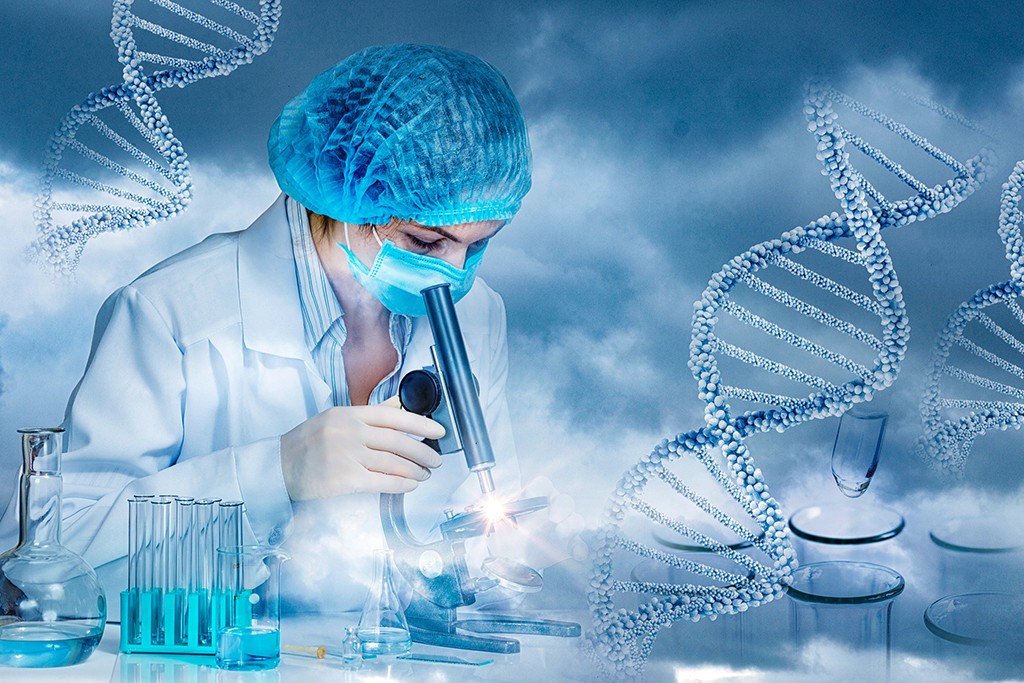
Genetic studies rely on advanced techniques and technologies to analyze and interpret genetic information. Here are some of the key methods used:
DNA Sequencing
DNA sequencing determines the order of nucleotides in a DNA molecule. Technologies like next-generation sequencing (NGS) have made sequencing faster, more accurate, and more affordable, enabling large-scale genomic studies. For example, NGS has been used to sequence the genomes of thousands of individuals, providing insights into genetic variation and disease risk.
Gene Editing
Gene editing techniques like CRISPR-Cas9 allow scientists to modify genes with precision. This technology is used in research, medicine, and agriculture to correct genetic mutations and develop new traits. For instance, CRISPR has been used to create disease-resistant crops and develop potential cures for genetic disorders like sickle cell anemia.
Genetic Testing
Genetic testing analyzes DNA to identify mutations, diagnose diseases, or assess genetic risks. It includes tests like carrier screening, prenatal testing, and ancestry testing. For example, genetic testing can identify individuals at risk for hereditary cancers, enabling early intervention and prevention.
Bioinformatics
Bioinformatics uses computational tools to analyze and interpret genetic data. It is essential for managing the vast amounts of data generated by genomic research and uncovering meaningful insights. Strong quantitative skills, like mastering multiplication tables, are essential for analyzing genetic datasets. For instance, bioinformatics has been used to identify genes associated with complex diseases like diabetes and Alzheimer’s.
Who Can Study Genetics?
Genetic studies are open to students and professionals from various backgrounds, including:
- Biology:Biologists study the fundamentals of life and heredity, providing the foundation for genetic research. They explore how genes influence traits and behaviors, contributing to our understanding of evolution and biodiversity.
- Medicine:Medical professionals apply genetic knowledge to diagnose and treat diseases, advancing personalized medicine. They use genetic testing and therapies to improve patient outcomes and prevent genetic disorders.
- Agriculture:Agricultural scientists use genetic techniques to improve crops and livestock, contributing to food security. They develop genetically modified organisms (GMOs) and sustainable farming practices to address global challenges like climate change and population growth.
- Computer Science:Computer scientists develop tools and algorithms to analyze genetic data, driving advancements in bioinformatics. They create software and databases that enable researchers to manage and interpret large-scale genomic data.
- Ethics And Law:Ethicists and legal experts address the social and ethical implications of genetic research, ensuring responsible practices. They develop guidelines and policies to regulate the use of genetic information and protect individual rights.
Genetic programs in Scottish universitiesare renowned for their cutting-edge research and interdisciplinary approach, offering students a world-class education in genetics. Whether you’re interested in molecular biology, genomics, or bioethics, these programs provide the skills and knowledge needed to excel in the field.
List Of Career Paths After Genetic Studies
1. Forensic Scientist
Forensic scientists play a critical role in the criminal justice system by analyzing physical evidence from crime scenes, including DNA samples, fingerprints, and other biological materials. They use advanced genetic techniques to identify suspects, exonerate the innocent, and provide evidence for legal cases. Forensic scientists often work in labs but may also visit crime scenes to collect evidence.
- Qualifications:A bachelor’s degree in genetics, forensic science, biology, or a related field is typically required. Advanced roles, such as forensic DNA analysts, may require a master’s degree or specialized training in forensic genetics.
- Skills Needed:Attention to detail, analytical thinking, knowledge of forensic protocols, and the ability to work under pressure. Strong communication skills are also essential for presenting findings in court.
2. Medical Scientist
Medical scientists conduct research to improve human health, focusing on understanding diseases, developing treatments, and testing new drugs or therapies. They often work in laboratories, hospitals, or research institutions, collaborating with healthcare professionals to translate scientific discoveries into medical applications.
- Qualifications:A Ph.D. in genetics, molecular biology, or a related field is typically required. Some medical scientists also hold a medical degree (MD) to combine clinical practice with research.
- Skills Needed:Strong research expertise, data analysis, critical thinking, and the ability to design and interpret experiments. Knowledge of regulatory requirements for clinical trials is also important.
3. Research Scientist
Research scientists work in academic, government, or private labs to study genetic mechanisms, develop new technologies, and contribute to scientific knowledge. They may focus on areas like gene therapy, cancer genetics, or agricultural genetics, depending on their interests and expertise.
- Qualifications:A Ph.D. in genetics or a related field is typically required for independent research roles. A master’s degree may suffice for research assistant or technician positions.
- Skills Needed:Lab techniques, experimental design, problem-solving, and the ability to publish research findings in scientific journals. Collaboration and grant-writing skills are also valuable.
4. Epidemiologist
Epidemiologists study the patterns, causes, and effects of diseases in populations. They use genetic data to understand how diseases spread, identify risk factors, and develop prevention strategies. Epidemiologists often work for public health organizations, government agencies, or research institutions.
- Qualifications:A master’s degree in public health (MPH) or epidemiology is typically required. A Ph.D. may be necessary for advanced research or academic roles.
- Skills Needed:Data analysis, statistical skills, knowledge of public health principles, and the ability to communicate findings to policymakers and the public.
5. Genetic Counselor
Genetic counselors help individuals and families understand their genetic risks and make informed decisions about their health. They assess family histories, explain genetic testing options, and provide emotional support to patients facing difficult decisions. Genetic counselors often work in hospitals, clinics, or private practices.
- Qualifications:A master’s degree in genetic counseling and certification from the American Board of Genetic Counseling (ABGC) or equivalent.
- Skills Needed:Strong communication, empathy, and a solid understanding of genetics and ethics. The ability to explain complex genetic concepts in simple terms is crucial.
6. Pharmacologist
Pharmacologists study how drugs interact with the body and use genetic data to develop new medications. They work in pharmaceutical companies, research institutions, or regulatory agencies, focusing on areas like drug safety, efficacy, and personalized medicine.
- Qualifications:A Ph.D. in pharmacology, genetics, or a related field is typically required. A bachelor’s or master’s degree may suffice for entry-level roles.
- Skills Needed:Lab expertise, data analysis, knowledge of drug development processes, and the ability to design and interpret clinical trials.
7. Biologist
Biologists study living organisms and their genetic makeup, focusing on areas like ecology, microbiology, or molecular biology. They may work in research labs, environmental organizations, or educational institutions, contributing to our understanding of life and its processes.
- Qualifications:A bachelor’s or master’s degree in biology, genetics, or a related field. A Ph.D. is required for advanced research or academic roles.
- Skills Needed:Research skills, lab techniques, critical thinking, and the ability to analyze and interpret data. Fieldwork skills may also be necessary for ecologists or environmental biologists.
8. Medical Geneticist
Medical geneticists diagnose and treat genetic disorders in patients. They work in hospitals or clinics, often collaborating with other healthcare professionals to provide comprehensive care. Medical geneticists may also conduct research to better understand genetic diseases and develop new treatments.
- Qualifications:A medical degree (MD or DO) and board certification in clinical genetics. Additional training in genetics or genomics is often required.
- Skills Needed:Diagnostic skills, patient care, knowledge of genetic testing technologies, and the ability to interpret genetic data. Strong communication skills are also essential for explaining complex information to patients.
9. DNA Analyst
DNA analysts specialize in analyzing genetic material for applications like paternity testing, ancestry tracing, or forensic investigations. They work in labs, using advanced techniques to extract, amplify, and analyze DNA samples.
- Qualifications:A bachelor’s degree in genetics, forensic science, or a related field. Specialized training in DNA analysis is often required.
- Skills Needed:Attention to detail, analytical skills, knowledge of DNA analysis techniques, and the ability to maintain accurate records.
10. Academic Researcher
Academic researchers work in universities or research institutions, conducting studies and teaching students. They contribute to scientific knowledge by publishing research findings and mentoring the next generation of scientists.
- Qualifications:A Ph.D. in genetics or a related field is typically required. Postdoctoral research experience is often necessary for academic positions.
- Skills Needed:Research expertise, teaching skills, grant writing, and the ability to publish in peer-reviewed journals. Collaboration and communication skills are also important.
11. Biomedical Engineer
Biomedical engineers design and develop medical devices and technologies, often using genetic data to create innovative solutions. They work in industries like healthcare, pharmaceuticals, or biotechnology, focusing on areas like prosthetics, diagnostic tools, or gene therapies.
- Qualifications:A bachelor’s or master’s degree in biomedical engineering, genetics, or a related field.
- Skills Needed:Engineering skills, problem-solving, knowledge of genetics, and the ability to work in interdisciplinary teams.
12. Clinical Research Associate
Clinical research associates oversee clinical trials, ensuring they comply with regulations and ethical standards. They work in pharmaceutical companies, research organizations, or contract research organizations (CROs), managing trial protocols and monitoring data collection.
- Qualifications:A bachelor’s or master’s degree in genetics, biology, or a related field. Certification in clinical research (e.g., CCRP) may be required.
- Skills Needed:Organizational skills, attention to detail, knowledge of clinical trial protocols, and the ability to work with diverse teams.
13. Laboratory Technician
Laboratory technicians support genetic research by conducting experiments, analyzing samples, and maintaining lab equipment. They work in academic, clinical, or industrial labs, assisting scientists with their research projects.
- Qualifications:A bachelor’s degree in genetics, biology, or a related field.
- Skills Needed:Lab techniques, attention to detail, organizational skills, and the ability to follow protocols accurately.
14. Physician Assistant
Physician assistants work alongside doctors to diagnose and treat patients, often using genetic information to guide care. They may specialize in areas like oncology, pediatrics, or primary care, providing personalized treatment plans based on genetic data.
- Qualifications:A master’s degree in physician assistant studies and certification (e.g., NCCPA).
- Skills Needed:Patient care, communication, knowledge of genetics, and the ability to work in fast-paced environments.
15. Science Writer
Science writers communicate complex genetic concepts to the public through articles, blogs, or educational materials. They work for media outlets, research institutions, or as freelancers, translating scientific discoveries into accessible content.
- Qualifications:A degree in genetics, science communication, or journalism.
- Skills Needed:Writing, storytelling, a passion for science, and the ability to simplify complex ideas.
16. Agricultural And Food Scientists
Agricultural and food scientists study crops and livestock to improve yields, resistance to diseases, and nutritional value using genetic techniques. They work in research institutions, government agencies, or private companies, contributing to sustainable agriculture and food security.
- Qualifications:A bachelor’s or master’s degree in agricultural science, genetics, or a related field. A Ph.D. may be required for advanced research roles.
- Skills Needed:Research skills, knowledge of plant or animal genetics, and the ability to apply genetic techniques to improve agricultural practices.
17. Animal Geneticist
Animal geneticists study the genetic makeup of animals to improve breeding programs, enhance disease resistance, and increase productivity in livestock. They work in research institutions, zoos, or agricultural organizations, contributing to animal health and conservation efforts.
- Qualifications:A bachelor’s or master’s degree in genetics, animal science, or a related field. A Ph.D. is often required for advanced research roles.
- Skills Needed:Knowledge of animal genetics, breeding techniques, and data analysis. Strong research and problem-solving skills are also essential.
18. Genetic Engineer
Genetic engineers manipulate the DNA of organisms to create new traits or improve existing ones. They work in industries like biotechnology, agriculture, and medicine, developing genetically modified organisms (GMOs), gene therapies, and other innovative solutions.
- Qualifications:A bachelor’s or master’s degree in genetics, molecular biology, or bioengineering. A Ph.D. may be required for advanced research or leadership roles.
- Skills Needed:Lab techniques, knowledge of gene-editing tools (e.g., CRISPR), and the ability to design and conduct experiments. Creativity and problem-solving skills are also important.
19. Scientific Technician
Scientific technicians support research and development projects by conducting experiments, analyzing data, and maintaining lab equipment. They work in academic, industrial, or government labs, assisting scientists with their work.
- Qualifications:A bachelor’s degree in genetics, biology, or a related field.
- Skills Needed:Lab techniques, attention to detail, organizational skills, and the ability to follow protocols accurately. Strong teamwork and communication skills are also valuable.
20. Scientist
Scientists in genetics conduct research to advance our understanding of genes, heredity, and genetic disorders. They work in academic, government, or private labs, focusing on areas like genomics, molecular biology, or evolutionary genetics.
- Qualifications:A Ph.D. in genetics or a related field is typically required for independent research roles. A master’s degree may suffice for research assistant or technician positions.
- Skills Needed:Research expertise, data analysis, critical thinking, and the ability to publish findings in scientific journals. Collaboration and grant-writing skills are also important.
21. Bioinformatician
Bioinformaticians use computational tools to analyze genetic data, identify patterns, and solve biological problems. They work in research institutions, pharmaceutical companies, or healthcare organizations, contributing to areas like personalized medicine and drug discovery.
- Qualifications:A bachelor’s or master’s degree in bioinformatics, genetics, or computer science. A Ph.D. may be required for advanced roles.
- Skills Needed:Data analysis, programming (e.g., Python, R), and knowledge of genomics software. Strong problem-solving and communication skills are also essential.
22. Biotech Consultant
Biotech consultants provide expert advice to companies in the biotechnology and pharmaceutical industries. They help businesses develop strategies, improve processes, and navigate regulatory requirements related to genetic research and product development.
- Qualifications:A bachelor’s or master’s degree in genetics, biotechnology, or a related field. Industry experience is often required.
- Skills Needed:Analytical thinking, communication, and knowledge of biotechnology trends and regulations. Strong business acumen is also important.
23. Data Scientist
Data scientists in genetics analyze large datasets to uncover insights about genes, diseases, and treatments. They work in research institutions, healthcare organizations, or tech companies, using machine learning and statistical tools to solve complex problems.
- Qualifications:A bachelor’s or master’s degree in genetics, data science, or a related field. A Ph.D. may be required for advanced roles.
- Skills Needed:Data analysis, programming (e.g., Python, R), and knowledge of machine learning algorithms. Strong problem-solving and communication skills are also essential.
24. Clinical Laboratory Scientist
Clinical laboratory scientists perform tests on patient samples to diagnose diseases, monitor treatments, and provide genetic information. They work in hospitals, diagnostic labs, or research institutions, ensuring accurate and timely results.
- Qualifications:A bachelor’s degree in genetics, medical laboratory science, or a related field. Certification (e.g., ASCP) may be required.
- Skills Needed:Lab techniques, attention to detail, and knowledge of diagnostic protocols. Strong organizational and communication skills are also important.
25. Science Policy Advisor
Science policy advisors use their knowledge of genetics to inform government policies and regulations. They work for government agencies, non-profits, or research institutions, advocating for evidence-based decisions in areas like healthcare, agriculture, and environmental protection.
- Qualifications:A bachelor’s or master’s degree in genetics, public policy, or a related field. A Ph.D. may be required for advanced roles.
- Skills Needed:Knowledge of genetics and policy issues, strong communication, and the ability to translate scientific findings into actionable recommendations.
26. Genetic Educator
Genetic educators teach students or the public about genetics, heredity, and the ethical implications of genetic research. They work in schools, universities, museums, or science outreach programs, inspiring the next generation of scientists.
- Qualifications:A bachelor’s or master’s degree in genetics, education, or a related field. Teaching certification may be required for school-based roles.
- Skills Needed:Teaching skills, communication, and a passion for science education. Knowledge of genetics and the ability to simplify complex concepts are also important.
27. Patent Analyst (Genetics)
Patent analysts in genetics review and evaluate patent applications related to genetic technologies, ensuring they meet legal and scientific standards. They work for patent offices, law firms, or biotechnology companies, protecting intellectual property in the field of genetics.
- Qualifications:A bachelor’s or master’s degree in genetics, biotechnology, or a related field. Knowledge of patent law is often required.
- Skills Needed:Analytical thinking, attention to detail, and knowledge of genetics and intellectual property law. Strong communication skills are also essential.
28. Genetic Sales Specialist
Genetic sales specialists work for companies that sell genetic testing kits, laboratory equipment, or biotechnology products. They educate customers about the products, provide technical support, and help businesses grow their market share.
- Qualifications:A bachelor’s degree in genetics, biology, or a related field. Sales experience is often required.
- Skills Needed:Communication, customer service, and knowledge of genetics and biotechnology products. Strong interpersonal and negotiation skills are also important.
29. Conservation Geneticist
Conservation geneticists study the genetic diversity of endangered species to develop strategies for their preservation. They work in zoos, wildlife organizations, or research institutions, contributing to biodiversity and ecosystem health.
- Qualifications:A bachelor’s or master’s degree in genetics, conservation biology, or a related field. A Ph.D. may be required for advanced research roles.
- Skills Needed:Knowledge of genetics, ecology, and conservation principles. Strong research and problem-solving skills are also essential.
30. Pharmaceutical Sales Representative
Pharmaceutical sales representatives promote medications and genetic therapies to healthcare professionals. They work for pharmaceutical companies, educating doctors and pharmacists about the benefits and uses of their products.
- Qualifications:A bachelor’s degree in genetics, biology, or a related field. Sales experience is often required.
- Skills Needed:Communication, customer service, and knowledge of genetics and pharmaceutical products. Strong interpersonal and negotiation skills are also important.
Emerging Trends In Genetics Careers
The field of genetics is evolving at an unprecedented pace, driven by groundbreaking discoveries and technological advancements. These developments are not only transforming healthcare and agriculture but also creating exciting new career opportunities for genetics professionals. Here are some of the most significant trends shaping the future of genetics careers:
1. Personalized Medicine
Personalized medicine, also known as precision medicine, is revolutionizing healthcare by tailoring treatments to an individual’s genetic makeup. By analyzing a patient’s DNA, doctors can predict how they will respond to specific medications, identify their risk of developing certain diseases, and design personalized treatment plans.
- Impact on Careers:This trend is creating demand for genetic counselors, clinical geneticists, and bioinformaticians who can interpret genetic data and apply it to patient care. Pharmacologists and medical scientists are also needed to develop targeted therapies based on genetic insights.
- Skills Needed:Knowledge of genomics, data analysis, and clinical applications of genetics.
2. CRISPR And Gene Editing
CRISPR-Cas9 technology has revolutionized gene editing, making it faster, cheaper, and more precise than ever before. This breakthrough is being used to correct genetic mutations, develop disease-resistant crops, and even engineer organisms for industrial applications.
- Impact on Careers:Genetic engineers, biotechnologists, and research scientists are at the forefront of this trend, working on innovative applications of CRISPR in medicine, agriculture, and environmental science.
- Skills Needed:Expertise in molecular biology, gene-editing techniques, and ethical considerations in genetic engineering.
3. Ethical, Legal, And Social Implications (ELSI) Of Genetic Research
As genetic technologies advance, so do the ethical, legal, and social questions surrounding their use. Issues like genetic privacy, consent, and the potential for genetic discrimination are becoming increasingly important.
- Impact on Careers:This trend is creating opportunities for professionals in bioethics, science policy, and genetic counseling. Lawyers and policymakers with a background in genetics are also needed to address regulatory challenges.
- Skills Needed:Knowledge of bioethics, communication skills, and the ability to navigate complex legal and social issues.
4. Agricultural Genetics And Food Security
Genetic research is playing a key role in addressing global challenges like food security and climate change. Scientists are using genetic techniques to develop crops that are more resistant to pests, diseases, and extreme weather conditions.
- Impact on Careers:Agricultural and food scientists, plant geneticists, and biotechnologists are in high demand to develop sustainable farming practices and improve crop yields.
- Skills Needed:Knowledge of plant genetics, breeding techniques, and sustainable agriculture practices.
5. Direct-to-Consumer Genetic Testing
The rise of direct-to-consumer (DTC) genetic testing companies, like 23andMe and AncestryDNA, has made genetic testing more accessible to the public. These tests provide insights into ancestry, health risks, and even personalized wellness recommendations.
- Impact on Careers:This trend is creating opportunities for genetic counselors, data scientists, and science communicators who can help consumers interpret their results and make informed decisions.
- Skills Needed:Communication skills, knowledge of genomics, and the ability to simplify complex genetic concepts for the public.
6. Artificial Intelligence (AI) And Big Data In Genetics
The integration of AI and big data analytics is transforming genetic research. These technologies are being used to analyze vast amounts of genetic data, identify patterns, and accelerate discoveries in areas like drug development and disease prevention.
- Impact on Careers:Bioinformaticians, data scientists, and computational biologists are in high demand to develop and apply AI tools in genetics research.
- Skills Needed:Programming skills (e.g., Python, R), data analysis, and knowledge of machine learning algorithms.
7. Conservation Genetics
Conservation genetics is playing a critical role in preserving biodiversity and protecting endangered species. By studying the genetic diversity of populations, scientists can develop strategies to prevent extinction and restore ecosystems.
- Impact on Careers:Conservation geneticists, wildlife biologists, and ecologists are needed to apply genetic techniques to conservation efforts.
- Skills Needed:Knowledge of genetics, ecology, and conservation principles.
8. Gene Therapy And Regenerative Medicine
Gene therapy involves using genetic techniques to treat or cure diseases by replacing or repairing faulty genes. Regenerative medicine focuses on using stem cells and genetic engineering to repair or replace damaged tissues and organs.
- Impact on Careers:Medical geneticists, genetic engineers, and biomedical researchers are leading the way in developing and applying these cutting-edge therapies.
- Skills Needed:Knowledge of gene therapy techniques, stem cell biology, and clinical applications of genetics.
Highest Paying Genetics Jobs
1. Medical Geneticist
- Salary:$200,000-$300,000 per year (depending on experience and location).
- What They Do:Medical geneticists diagnose and treat genetic disorders in patients. They interpret genetic test results, provide counseling, and develop treatment plans.
- Who’s Hiring:Hospitals, research institutions, and private clinics.
- How to Get This Job:Earn a medical degree (MD or DO), complete a residency in genetics, and obtain board certification in clinical genetics.
2. Genetic Engineer
- Salary:$90,000-$150,000 per year.
- What They Do:Genetic engineers manipulate DNA to create new traits or improve existing ones. They work on projects like gene therapy, GMOs, and biopharmaceuticals.
- Who’s Hiring:Biotechnology companies, pharmaceutical firms, and research institutions.
- How to Get This Job:Earn a bachelor’s or master’s degree in genetics, molecular biology, or bioengineering. Gain hands-on experience with gene-editing tools like CRISPR.
3. Pharmacologist
- Salary:$100,000-$150,000 per year.
- What They Do:Pharmacologists study how drugs interact with the body and use genetic data to develop new medications. They conduct clinical trials and analyze drug efficacy and safety.
- Who’s Hiring:Pharmaceutical companies, research institutions, and regulatory agencies.
- How to Get This Job:Earn a Ph.D. in pharmacology or a related field. Gain experience in drug development and clinical research.
4. Bioinformatics Scientist
- Salary:$90,000-$140,000 per year.
- What They Do:Bioinformatics scientists analyze genetic data using computational tools. They identify patterns, develop algorithms, and contribute to areas like personalized medicine and drug discovery.
- Who’s Hiring:Research institutions, pharmaceutical companies, and tech firms.
- How to Get This Job:Earn a degree in bioinformatics, genetics, or computer science. Develop strong programming skills (e.g., Python, R) and knowledge of genomics software.
5. Clinical Research Associate (CRA)
- Salary:$80,000-$120,000 per year.
- What They Do:CRAs oversee clinical trials, ensuring they comply with regulations and ethical standards. They monitor data collection, manage trial protocols, and liaise with research teams.
- Who’s Hiring:Pharmaceutical companies, contract research organizations (CROs), and research institutions.
- How to Get This Job:Earn a bachelor’s or master’s degree in genetics or a related field. Gain experience in clinical research and consider certification (e.g., CCRP).
6. Genetic Counselor
- Salary:$70,000-$100,000 per year.
- What They Do:Genetic counselors help individuals and families understand genetic risksand make informed health decisions. They provide counseling, interpret test results, and offer emotional support.
- Who’s Hiring:Hospitals, clinics, and private practices.
- How to Get This Job:Earn a master’s degree in genetic counseling and obtain certification from the American Board of Genetic Counseling (ABGC).
7. Forensic DNA Analyst
- Salary:$60,000-$90,000 per year.
- What They Do:Forensic DNA analysts analyze genetic material from crime scenes to identify suspects, exonerate the innocent, and provide evidence for legal cases.
- Who’s Hiring:Government agencies, forensic labs, and law enforcement organizations.
- How to Get This Job:Earn a bachelor’s degree in genetics or forensic science. Gain specialized training in DNA analysis and forensic protocols.
8. Biomedical Engineer
- Salary:$70,000-$110,000 per year.
- What They Do:Biomedical engineers design and develop medical devices and technologies, often using genetic data to create innovative solutions.
- Who’s Hiring:Healthcare companies, research institutions, and tech firms.
- How to Get This Job:Earn a bachelor’s or master’s degree in biomedical engineering or genetics. Gain experience in product development and regulatory compliance.
9. Epidemiologist
- Salary:$70,000-$100,000 per year.
- What They Do:Epidemiologists study the patterns and causes of diseases in populations. They use genetic data to understand disease spread and develop prevention strategies.
- Who’s Hiring:Public health organizations, government agencies, and research institutions.
- How to Get This Job:Earn a master’s degree in public health (MPH) or epidemiology. Gain experience in data analysis and public health research.
10. Science Writer (Genetics Specialist)
- Salary:$60,000-$90,000 per year.
- What They Do:Science writers communicate complex genetic concepts to the public through articles, blogs, or educational materials. They work for media outlets, research institutions, or as freelancers.
- Who’s Hiring:Scientific journals, media companies, and research organizations.
- How to Get This Job:Earn a degree in genetics or science communication. Develop strong writing skills and a portfolio of published work.
People Also Ask
Is Genetics A Good Career Path?
It's a good career option, some top career profiles in Genetics include Forensic Scientist, Genetic Counsellor, Assistant Professor, Animal Breeder, Biotech Sales Engineer, etc.
Do Geneticists Treat Patients?
A geneticist (medical or clinical geneticist) is a doctor who specializes in understanding the links between our genes and our health. Geneticists diagnose and manage genetic disorders that affect people of all ages, from pregnancy onward.
How To Become A Genetic Engineer?
To become a genetic engineer, the bare minimum education requirement will be a bachelor's degree in biochemistry, biophysics, molecular biology, or molecular genetics. However, in most cases it will be much more beneficial to have a master's or doctorate level degree in molecular genetics or molecular biology instead.
What Do Genetics Graduates Do?
The top five jobs held by genetics graduates include laboratrory technicians (12%), biochemists and biomedical scientists (7%) and advertising and marketing associate professionals (5%).
Final Thoughts
A degree in genetics opens the door to a world of possibilities. If you’re drawn to research, healthcare, or technology, there’s a career path that aligns with your passions and skills.
As the field continues to evolve, so do the opportunities for genetics professionals. By staying curious, adaptable, and committed to learning, you can build a rewarding career that makes a real impact.