20 Best Scottish Universities For Genetic Programs In 2025 [Ranked]
The field of genetic science has transformed the way we understand life, from decoding DNA to combating diseases and improving agriculture. At the forefront of these advancements, Scottish universities have carved out a global reputation as leaders in genetic research and education. With a strong legacy of scientific discovery and innovation, Scotland is home to some of the world's most prestigious academic institutions that continue to shape the future of genetics.
Scotland's universities have played an essential part in unlocking the mysteries of genetics, from groundbreaking achievements such as cloning Dolly the sheep to advancing genome studies. This article looks into the contributions of Scottish universities, the unique programs they offer, and the opportunities they provide to aspiring scientists and researchers around the world.
The Legacy Of Scottish Universities In Scientific Research
Scotland’s reputation as a hub for scientific discovery dates back to the Enlightenment period, when its universities became centers of intellectual and scientific thought. Institutions like the University of Edinburgh, University of Glasgow, and University of Aberdeen emerged as global pioneers in education and research.
These institutions have been home to many famous Scottish scientists, whose groundbreaking contributions have shaped fields such as physics, medicine, and biology, influencing the trajectory of modern science. These universities played a critical role in advancing disciplines such as medicine, biology, and chemistry, laying the groundwork for modern genetic science. Today, they remain synonymous with academic excellence, attracting students and researchers from across the globe who are eager to build on this proud legacy.
Genetic Research In Scotland
Genetic research has emerged as a cornerstone of Scotland’s educational and scientific landscape. With the rise of biotechnology and molecular biology, genetic science has expanded its applications into healthcare, agriculture, and environmental conservation. Scottish universities have embraced this trend, integrating cutting-edge genetic programs into their curricula.
Perhaps the most notable achievement in Scotland’s genetic history is the cloning of Dolly the sheepat the Roslin Institute in 1996. This groundbreaking milestone not only put Scotland on the global map of genetic research but also demonstrated the transformative potential of genetics in solving real-world challenges. From gene therapy to advancements in animal breeding, Scottish universities have continually pushed the boundaries of what genetic science can achieve.
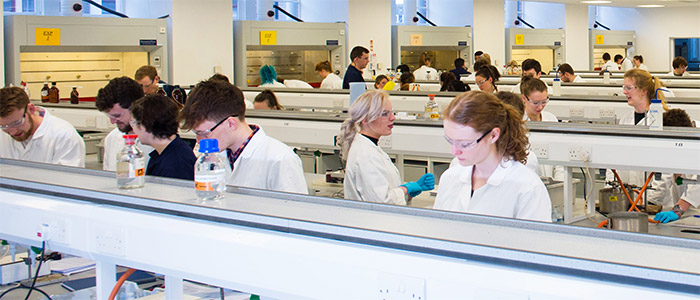
20 Best Genetics Universities In Scotland (2025 Ranking)
1. University Of Edinburgh
The University of Edinburghis a global leader in genetics research and education. It offers a comprehensive BSc in Biological Sciences (Genetics) program, which covers essential topics like molecular biology, genomics, and biotechnology. The university's Roslin Institute, famous for cloning Dolly the sheep, provides students with opportunities to engage in groundbreaking research. The Genetics and Molecular Medicine division at Edinburgh further enhances its reputation by conducting world-class studies in gene therapy and population genetics.
2. University Of Glasgow
The University of Glasgow is home to one of the most prestigious genetics programs in Scotland. Its BSc in Genetics blends foundational knowledge with advanced research opportunities in areas such as epigenetics, cancer genetics, and genome editing. Students benefit from state-of-the-art laboratories and partnerships with research centers like the Beatson Institute for Cancer Research, making it an excellent choice for aspiring geneticists.

3. University Of Dundee
The University of Dundee stands out for its strong focus on molecular genetics and biomedical research. Its programs emphasize both theoretical understanding and hands-on experience, with access to the School of Life Sciences, which is consistently ranked among the best in Europe. Dundee researchers have made significant contributions to genetic studies related to diseases like Parkinson’s and cancer.
4. University Of Aberdeen
The University of Aberdeen offers genetics programs that emphasize modern research techniques and their applications in real-world scenarios. Its BSc in Genetics integrates topics such as genetic engineering, bioinformatics, and evolutionary genetics. The Rowett Institute, a leader in health and nutrition research, provides students with additional avenues to explore genetics in the context of human health.
5. University Of St Andrews
Known for its rich academic tradition, the University of St Andrews offers genetics courses that focus on molecular and population genetics. Students engage with cutting-edge research on topics such as microbial genetics and conservation biology. With access to advanced facilities and a strong emphasis on research, St Andrews prepares students for roles in academia, industry, and healthcare.
6. University Of Strathclyde
The University of Strathclyde’s genetics programs are designed to bridge the gap between fundamental science and practical applications. The BSc in Biomedical Science includes extensive coursework in genetics, focusing on areas like personalized medicine and genetic diagnostics. Strathclyde’s collaboration with biotechnology companies ensures students gain relevant industry experience.
7. University Of Stirling
The University of Stirling offers genetics programs that emphasize research on genetic factors affecting environmental and human health. Students can explore topics such as fish genetics, molecular ecology, and genetic epidemiology. The university’s Institute of Aquaculture is a world leader in genetic research related to aquaculture and marine biology.
8. Heriot-Watt University
Heriot-Watt University integrates genetics into its broader science programs, offering students insights into molecular biology, genomics, and bioinformatics. The university’s research strengths include synthetic biology and genetic engineering, providing students with opportunities to work on innovative projects that have real-world applications.
9. Glasgow Caledonian University
Glasgow Caledonian University offers programs with strong genetics components, such as Applied Biomedical Science. Students benefit from practical training in laboratory techniques and exposure to fields like genetic testing and forensic genetics. The university’s focus on applied sciences ensures graduates are well-prepared for careers in research and healthcare.
10. Edinburgh Napier University
Edinburgh Napier University offers genetics-related programs that emphasize practical skills and modern research techniques. Students learn about genetic screening, molecular diagnostics, and the role of genetics in personalized medicine. The university collaborates with industry partners to provide internships and research opportunities.

11. Queen Margaret University
Queen Margaret University provides a unique interdisciplinary approach to genetics education. While its focus is on health sciences, genetics is integrated into programs such as human biology and nutrition. The university’s emphasis on practical learning prepares students for careers in healthcare and research.
12. Robert Gordon University
Robert Gordon University offers genetics-related courses within its biomedical science programs. These courses cover molecular genetics, genetic engineering, and bioinformatics. The university’s strong ties to industry provide students with opportunities to apply their knowledge in real-world settings.
13. University Of The West Of Scotland
The University of the West of Scotland (UWS) integrates genetics into its biomedical science programs, focusing on topics like genetic mutations, disease diagnostics, and pharmacogenetics. UWS’s emphasis on modern laboratory techniques equips students with the skills needed for careers in genetics research and healthcare.
14. Abertay University
Abertay University offers genetics-focused modules within its biology and biomedical programs. Students gain a solid foundation in molecular biology, evolutionary genetics, and genome analysis. The university’s research on genetic factors affecting health and behavior makes it an appealing choice for aspiring geneticists.
15. University Of The Highlands And Islands
The University of the Highlands and Islands provides genetics education tailored to Scotland’s unique environment. Programs focus on applied genetics, particularly in areas like agriculture, wildlife conservation, and marine biology. Students benefit from small class sizes and personalized learning experiences.
16. SRUC (Scotland's Rural College)
SRUC specializes in agricultural genetics, offering programs that focus on improving crop yields and livestock breeding. Students learn about genetic engineering, genomic selection, and sustainable agriculture practices. SRUC’s research contributes significantly to Scotland’s agricultural advancements.

17. Glasgow School Of Art
Although primarily an art institution, the Glasgow School of Art explores the intersection of genetics and design. Courses in bioart and genetic visualization allow students to creatively interpret genetic concepts, bridging the gap between science and art.
18. Royal Conservatoire Of Scotland
The Royal Conservatoire of Scotland integrates genetics into its interdisciplinary programs, focusing on how genetics influences human traits and behaviors. This unique approach appeals to students interested in combining science with performing arts.
19. Edinburgh College Of Art
As part of the University of Edinburgh, the Edinburgh College of Art incorporates genetics into its visual arts programs. Students explore genetic themes through artistic mediums, fostering innovation at the crossroads of science and creativity.
20. Dundee And Angus College
Dundee and Angus College offers genetics-related modules within its applied science courses. These programs emphasize practical skills in molecular biology, genetic testing, and data analysis, preparing students for careers in research and healthcare.

Key Areas Of Genetic Research In Scottish Universities
1. Human Genetics And Disease
Scottish universities are making significant advancements in understanding the genetic basis of human diseases, focusing on prevention, diagnosis, and treatment. Key research areas include:
- Cancer Genetics:Research efforts are directed toward identifying genetic mutations that predispose individuals to various types of cancer. Universities like Edinburgh and Glasgow are involved in uncovering the molecular pathways of tumor development. This work supports the development of targeted therapies, such as precision medicine approaches, which aim to personalize treatment based on an individual’s genetic profile.
- Cystic Fibrosis:Studies on cystic fibrosis focus on mutations in the CFTR gene, responsible for this life-threatening condition. Researchers are developing innovative treatment strategies, such as gene-editing techniques like CRISPR-Cas9, to correct these genetic mutations. Universities collaborate with healthcare organizations to translate these findings into clinical trials.
- Inherited Genetic Disorders:Scottish researchers are investigating a range of inherited genetic disorders, from rare conditions like Huntington’s disease to more common ones like sickle cell anemia. By analyzing the underlying genetic mutations, scientists aim to improve diagnostic accuracy, develop gene therapies, and enhance patient care.

2. Animal Genetics And Breeding
Research in animal genetics is critical for advancing agriculture, improving food security, and protecting biodiversity. Universities such as the University of Edinburgh and SRUC (Scotland's Rural College) are leading this field.
- Livestock Improvement:Scottish researchers are using genetic tools to enhance livestock productivity, disease resistance, and overall health. Techniques such as genomic selection and marker-assisted breeding are applied to identify animals with desirable traits, leading to better meat quality, milk production, and sustainability in farming practices.
- Conservation Genetics:Conservation genetics focuses on preserving the genetic diversity of endangered species. Researchers study genetic variations within animal populations to inform conservation strategies. Institutions like the Roslin Institute are using advanced techniques to monitor populations of species at risk, ensuring their survival and adaptation to changing environments.
3. Evolutionary And Population Genetics
Scottish universities are contributing valuable insights into the processes that have shaped life on Earth. Evolutionary and population genetics research has applications in fields ranging from anthropology to ecology.
- Genetic Diversity:Understanding genetic diversity within and between populations is essential for studying evolutionary biology. Researchers explore how mutations, genetic drift, and migration contribute to genetic variation. This knowledge helps explain patterns of adaptation and speciation.
- Evolutionary Processes:Studies in this area focus on uncovering the genetic mechanisms driving evolutionary change. Research explores how natural selection acts on genes, resulting in adaptations that enhance survival and reproduction.
4. Genomics And Bioinformatics
With advances in technology, genomics and bioinformatics have become cornerstones of genetic research in Scotland. These fields enable scientists to analyze large-scale genetic data, providing insights into biological systems.
- Genome Sequencing:Scottish institutions are heavily involved in genome sequencing projects, which aim to determine the complete DNA sequence of organisms. These projects range from sequencing human genomes to studying plants, animals, and microorganisms. Genome sequencing is pivotal in identifying disease-causing mutations, developing new crop varieties, and understanding microbial ecosystems.
- Bioinformatics Analysis:Bioinformatics combines biology, computer science, and mathematics to develop tools for analyzing genetic data. Scottish universities are pioneering the development of algorithms and software to process and interpret complex datasets. These tools are critical for understanding gene functions, identifying genetic markers, and predicting disease risk.

Impact And Applications Of Genetic Research From Scottish Universities
1. Advancements In Medical Diagnostics And Treatments
The cutting-edge genetic research conducted in Scotland has significantly improved the accuracy of disease diagnosis and the development of innovative treatments.
- Enhanced Diagnostic Tools: Scottish researchers have developed advanced genetic screening techniques that allow for early detection of diseases such as cancer, cystic fibrosis, and inherited disorders. These tools identify genetic markers associated with disease susceptibility, enabling timely intervention and better patient outcomes.
- Development of Gene Therapies:Universities like the University of Edinburgh and the University of Glasgow have been instrumental in pioneering gene-editing technologies, such as CRISPR-Cas9, to address genetic abnormalities. These therapies hold promise for curing previously untreatable conditions, offering hope to patients with rare or life-threatening genetic diseases.
2. Contributions To Personalized Medicine
Scottish universities are at the forefront of personalized medicine, an innovative approach that tailors healthcare to the individual’s genetic profile.
- Precision Medicine Initiatives:Using genetic data, researchers are identifying specific mutations that influence a patient’s response to medications. This allows healthcare providers to prescribe treatments that are more effective and have fewer side effects. For example, genetic insights into cancer have led to the development of targeted therapies, such as immunotherapy, which boosts the body’s immune response to tumors.
- Pharmacogenomics:Research in pharmacogenomics, which studies how genes affect drug responses, has enabled Scottish universities to optimize medication dosing. This ensures that patients receive the right drug at the right dose based on their genetic makeup, minimizing adverse reactions and maximizing treatment efficacy.
3. Impact On Agriculture And Conservation
The application of genetic research in agriculture and conservation has had a profound effect on food security and biodiversity preservation.
- Improved Livestock Breeding:Scottish institutions have developed genetic tools to enhance livestock productivity and health. By analyzing genetic markers associated with traits like disease resistance, milk production, and meat quality, researchers are helping farmers breed stronger and more sustainable livestock populations.
- Conservation of Endangered Species:Scottish researchers are applying conservation genetics to protect endangered species by studying their genetic diversity and adaptability. For example, projects at the Roslin Institute and other universities focus on understanding population genetics to guide rewilding programs and create genetic "rescue" plans for species at risk of extinction.
Collaboration And Funding In Scottish Genetic Research
Scottish universities play a pivotal role in fostering partnerships and securing funding to propel genetic research. These efforts enable groundbreaking discoveries and innovations that have a global impact.
1. Collaboration With National And International Institutions
Collaboration is a cornerstone of genetic research in Scotland, strengthening the exchange of knowledge and resources.
National Collaborations
Within Scotland, universities like the University of Edinburgh, University of Glasgow, and University of Dundee often partner with national research institutions such as:
- The Roslin Institute: Known for its contributions to animal genetics and biotechnology.
- The Scottish Genomes Partnership (SGP): A collaborative program dedicated to genome sequencing to advance human health and disease research.
These partnerships foster interdisciplinary projects that blend genetics with medicine, agriculture, and data science, creating cutting-edge solutions to societal challenges.
International Partnerships
Scottish universities collaborate with leading global institutions such as Harvard University, the Wellcome Sanger Institute, and organizations in Europe, Asia, and North America. These partnerships ensure access to diverse expertise, shared databases, and cutting-edge technologies, enabling research that addresses global challenges like pandemics, biodiversity loss, and agricultural sustainability. In addition, genetics and medical research in londonplays a key role in these collaborative efforts, contributing valuable insights and resources to the global research community.
Industry Collaborations
Scottish universities work closely with biotech and pharmaceutical companies, such as GSKand Pfizer, to translate genetic research into commercial applications. These collaborations accelerate the development of new therapies, diagnostic tools, and genetic technologies.
2. Sources Of Funding For Genetic Research
The success of Scottish genetic research is heavily reliant on diverse and sustained funding from various channels.
Government Agencies
Government organizations like the UK Research and Innovation (UKRI)and the Medical Research Council (MRC)provide substantial grants for genetics-focused projects. These funds support research into human health, agricultural genetics, and environmental sustainability.
Research Councils And Programs
The Biotechnology and Biological Sciences Research Council (BBSRC)and the Engineering and Physical Sciences Research Council (EPSRC)are instrumental in funding large-scale projects, including genome sequencing and bioinformatics initiatives.
Charitable Organizations
Charitable organizations such as the Wellcome Trust, Cancer Research UK, and Genetic Alliance UKplay a key role in financing genetic studies. Their support often targets specific challenges, such as rare diseases or cancer genetics, providing critical resources for focused research.
European Union And Global Grants
Despite Brexit, Scottish researchers continue to secure funding through EU programs like Horizon Europeand global initiatives, ensuring sustained progress in genetics. Additionally, organizations such as the Bill & Melinda Gates Foundationfund projects aimed at improving global health outcomes through genetic research.
3. Benefits Of Collaboration And Funding
Expanding Research Horizons
Collaborations and robust funding allow Scottish universities to undertake large-scale, interdisciplinary projects that might otherwise be unattainable. These projects often involve state-of-the-art technologies such as CRISPRgene editing and next-generation sequencing.
Driving Innovation
With diverse funding and international partnerships, researchers can accelerate discoveries, turning fundamental genetic knowledge into practical applications, such as targeted therapies, disease-resistant crops, and biodiversity preservation strategies.
Nurturing Talent
Collaborative projects and funded programs attract top researchers, postdoctoral fellows, and students from around the world to Scotland. This influx of talent strengthens the country’s reputation as a hub for genetic research and innovation.
Opportunities For Students And Researchers
Studying genetics in Scotland offers a wealth of opportunities for students and researchers alike. Key advantages include:
- Scholarships and Funding: Scottish universities provide numerous scholarships and funding options, including grants for international students pursuing genetic research.
- Collaborations: Many institutions partner with biotech firms, research labs, and international organizations, giving students access to cutting-edge projects and real-world applications.
- Career Prospects: Graduates of Scottish genetic programs find themselves in high demand across industries, including healthcare, agriculture, and pharmaceuticals. Careers range from genetic counseling and clinical research to biotechnology and academic positions.
The Future Of Genetic Research In Scotland
Scottish universitiesare not only focused on current genetic challenges but are also preparing for the future of the field. Emerging trends such as CRISPR gene-editing technology, personalized medicine, and artificial intelligence are reshaping genetic science. Scotland’s academic institutions are at the forefront of these advancements, ensuring that their programs remain relevant and impactful.
AI is particularly promising in genetics, enabling researchers to analyze vast datasets and identify genetic markers with unprecedented speed and accuracy. Scottish universities are investing heavily in these technologies, further cementing their position as leaders in the field.
FAQs
Is Genetics A Doctor?
A medical geneticist is a doctor who specializes in diagnosing and treating genetic disorders or conditions. Medical geneticists also counsel individuals and families at risk for certain genetic disorders or cancers.
What Degree Is Best For Genetics?
Biology, genetics, biochemistry, cell and molecular biology, biotechnology, microbiology (if you're interested in microbial genetics), or evolution/ecology (if you're looking at the genetics of a population) are all solid options. You'll likely need to get a graduate degree, unless you get lucky with a technician job
What Course Is Genetics Under?
The Genetics degrees are offered jointly by the departments of Biological Sciences and Microbiology. Students who complete an undergraduate degree in Genetics and are looking for graduate level training can explore opportunities in many areas, including Biological Sciences and Microbiology.
Do Scottish Universities Offer Online Genetics Courses Or Programs?
Some universities may offer online modules or short courses related to genetics, but full degree programs are typically taught on campus. It is best to check individual university websites for up-to-date information.
What Are The Entry Requirements For Genetics Programs In Scottish Universities?
Entry requirements vary depending on the specific program and university. Generally, strong grades in relevant science subjects (e.g., biology, chemistry, mathematics) are required.
Final Words
Scottish universities have established themselves as global leaders in genetic research and education, boasting a strong history of innovation and a forward-thinking attitude to science.
If you're a student looking for a world-class education or a researcher looking to make fresh findings, Scotland has unmatched prospects in the subject of genetics.
These institutions continue to alter the worldwide landscape of genetic science via their commitment to quality and forward-thinking.