The Role Of Sustainability In Shaping The Future Of Genetic Research
Genetic research is transforming industries from agriculture to medicine, unlocking innovations that were once thought impossible. However, with these advancements comes a critical question how can genetic research be conducted sustainably? As genetic technology progresses, it is essential to ensure that its benefits do not come at the expense of the environment, ethical principles, or long-term viability.
Sustainability in genetic research means reducing negative ecological impacts, ensuring ethical considerations are met, and applying genetic advancements in ways that benefit both current and future generations.
From developing drought-resistant crops to conserving endangered species, sustainable genetic research plays a vital role in shaping a better future. This article examines the key aspects of sustainability in genetic research, studying its applications, ethical considerations, environmental impact, and future potential.
Understanding Sustainability In Genetic Research
Sustainability in genetic research refers to the responsible use of genetic technologies to achieve long-term benefits while minimizing risks. It involves:
- Reducing the environmental footprint of genetic experiments.
- Ensuring ethical and equitable use of genetic data and modifications.
- Developing genetic solutions that promote biodiversity, food security, and healthcare advancements.
Sustainable genetic research aligns with global initiatives such as the United Nations Sustainable Development Goals (SDGs). Specifically, it contributes to goals related to zero hunger, good health and well-being, responsible consumption, and climate action. By focusing on sustainable practices, researchers can ensure that genetic advancementsserve humanity without causing unintended harm to ecosystems or society.
Why Sustainability Matters In Genetic Research
Genetic research has the potential to revolutionize medicine, agriculture, and environmental conservation. However, it also comes with significant environmental and ethical challenges. Labs consume vast amounts of energy and water, generate hazardous waste, and rely on materials that may not be sustainably sourced. These practices can have long-term consequences for the planet and future generations.
In places like genetics and medical research in London, scientists are increasingly focusing on sustainability by adopting greener lab initiatives and ethical sourcing of materials. By integrating sustainable practices into their work, researchers can ensure that scientific progress benefits society without compromising the well-being of the planet.
Sustainable Genetic Innovations In Agriculture
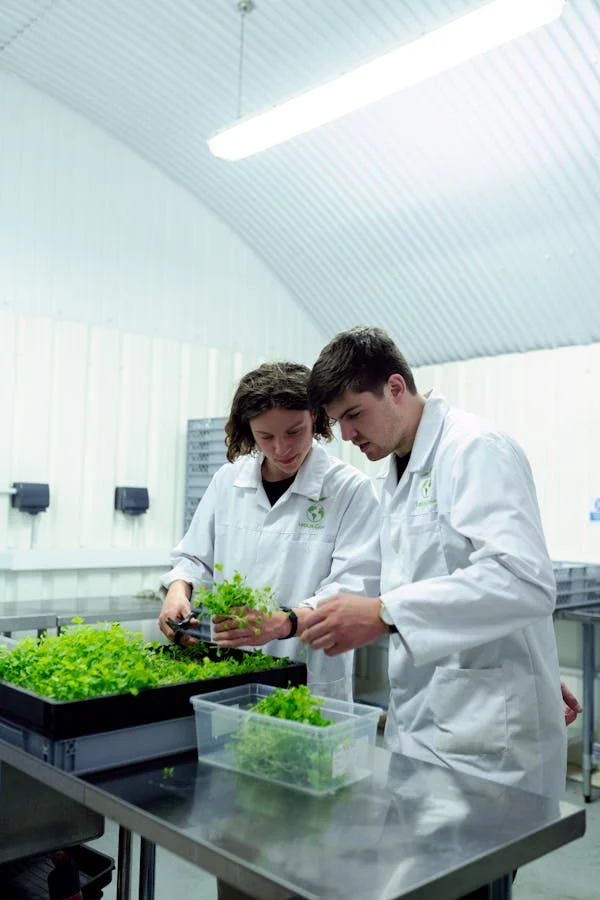
Agriculture is one of the primary areas where genetic research is making a sustainable impact. Traditional farming methods often rely on chemical fertilizers, pesticides, and excessive water use, leading to soil degradation and environmental harm.
Genetic advancements are changing this by introducing crops that are more resilient, require fewer resources, and improve food security. Preserving traditional crops through genetic research plays a crucial role in protecting the unique flavors and food heritage that define global culinary tourism, from Italy’s heirloom tomatoes to Mexico’s ancient blue corn.
1. Genetic Modification For Pest And Disease Resistance
Genetically modified (GM) crops, such as pest-resistant Bt cotton and virus-resistant papaya, reduce the need for chemical pesticides. This minimizes soil and water contamination while protecting beneficial insects like bees.
2. CRISPR And Gene Editing For Sustainability
CRISPR gene-editing technology allows precise modifications to plant DNA, helping create drought-tolerant and nutrient-rich crops. For example, scientists have developed CRISPR-edited wheat that uses water more efficiently, reducing agricultural water consumption.
3. Sustainable Farming Through Synthetic Biology
Synthetic biology enables the creation of nitrogen-fixing crops, reducing dependence on chemical fertilizers. Innovations like bioengineered microbes help enhance soil health and promote natural growth, making farming more eco-friendly.
By integrating genetic research with sustainable agricultural practices, farmers can increase yields while minimizing their environmental impact.
The Role Of Genetic Research In Biodiversity Conservation
Biodiversity loss is a major global concern, and genetic research is playing a crucial role in conservation efforts. Scientists are using genetic tools to protect endangered species and restore ecosystems.
1. Genetic Rescue And Assisted Reproduction
Genetic sequencing helps identify genetic diversity within endangered species, enabling conservationists to prevent inbreeding and enhance species survival. Techniques such as cloning and gene banking allow the preservation of genetic material from rare species.
2. Rewilding And Ecosystem Restoration
CRISPR and other genetic technologies assist in reintroducing species that have disappeared from ecosystems. For instance, researchers are exploring genetic modifications to revive extinct species such as the woolly mammoth to restore Arctic habitats.
3. DNA Barcoding For Wildlife Protection
DNA barcoding is used to track and identify species in illegal wildlife trade. By analyzing genetic markers, conservationists can monitor animal populations and combat poaching.
These genetic conservation strategies ensure that biodiversity is maintained while reducing human-induced environmental damage.
The Role Of Technology In Sustainable Genetic Research
Technology plays a crucial role in making genetic research more sustainable by improving efficiency, reducing waste, and ensuring ethical transparency. Innovations such as artificial intelligence, CRISPR gene editing, and blockchain technology are transforming the way genetic research is conducted, making it more responsible and environmentally friendly.
AI And Machine Learning In Genetic Research
Artificial intelligence and machine learning are revolutionizing genetic research by optimizing experiments and reducing resource consumption. AI can design precise experiments that require fewer reagents, minimizing waste and lowering costs.
Additionally, predictive modeling helps researchers anticipate outcomes, reducing the need for trial-and-error testing. These advancements not only accelerate scientific discoveries but also promote sustainability by making research processes more efficient.
CRISPR And Gene Editing For Sustainability
CRISPR technology is a powerful tool for addressing sustainability challenges in both agriculture and medicine. Gene editing can develop drought-resistant crops that require less water, reducing the strain on natural resources.
Additionally, genetically modified plants can be engineered to resist pests, decreasing the reliance on chemical pesticides and promoting more eco-friendly farming practices. In medicine, CRISPR can enhance precision therapies, reducing the need for extensive drug trials and lowering pharmaceutical waste.
Blockchain For Transparency In Genetic Research
Blockchain technology is emerging as a solution for ensuring ethical sourcing and transparency in genetic research. By securely tracking the origin of biological materials, blockchain can prevent unethical sourcing and promote responsible research practices.
It also enhances data integrity by providing a transparent, tamper-proof record of genetic information. This level of accountability ensures that researchers make sustainable choices and adhere to ethical guidelines.
By integrating these technological innovations, genetic research can continue to evolve while prioritizing sustainability, efficiency, and ethical responsibility.
Medical Advances And Ethical Considerations In Sustainable Genetic Research
Genetic research in medicine is revolutionizing treatments for diseases, but sustainability must also be considered. Ethical concerns arise regarding genetic privacy, accessibility, and the long-term impact of genetic modifications.
1. Gene Therapy For Sustainable Healthcare
Gene therapy is being used to treat genetic disorders such as sickle cell disease and cystic fibrosis. By directly modifying faulty genes, researchers can provide long-term solutions instead of relying on lifelong medications.
2. Reducing Pharmaceutical Waste Through Synthetic Biology
Biotechnological advancements allow the production of lab-grown medications, reducing the environmental impact of pharmaceutical manufacturing. Lab-engineered insulin, for example, has significantly reduced reliance on animal sources.
3. Ethical Challenges In Genetic Research
While genetic research offers tremendous potential, it also raises ethical concerns:
- Genetic Privacy:The use of genetic data in research must ensure privacy and prevent misuse.
- Equity in Access:Sustainable genetic research should be accessible to all, not just high-income nations.
- Germline Editing:Modifying human embryos for non-medical reasons raises ethical dilemmas about designer babies and unintended consequences.
Ethical frameworks must evolve alongside genetic technologies to ensure responsible and fair application. In many institutions, including Scottish universities, researchers are actively working on guidelines that promote transparency, sustainability, and ethical responsibility in genetic research. These efforts help ensure that advancements in genetics benefit society while minimizing risks.
Environmental Impact Of Genetic Research
Genetic research has transformed medicine, agriculture, and conservation, offering solutions to global challenges. However, its environmental risks must be carefully managed to prevent ecosystem disruption and biodiversity loss.
1. Impact Of Genetically Modified Organisms (GMOs) On Ecosystems
GMOs improve crop resilience and reduce pesticide use but pose ecological risks. Crossbreeding with wild species can alter genetic diversity, while herbicide-resistant crops may lead to excessive herbicide use, harming soil health. Pest-resistant GMOs can unintentionally impact beneficial insects like pollinators, disrupting ecosystems.
2. Unintended Ecological Effects Of Gene Editing
Gene-editing technologies like CRISPR and gene drives can rapidly alter populations but may have unpredictable consequences. Modifying species like mosquitoes to control disease can disrupt food chains. Additionally, genetically enhanced organisms may outcompete native species, reducing biodiversity and ecosystem stability.
3. Sustainable Solutions For Genetic Research
To mitigate risks, researchers are developing biocontainment strategies, such as self-limiting modifications that prevent GMOs from spreading. Environmental monitoring ensures genetic technologies remain safe, while strict regulations and ethical guidelines prevent unintended ecological harm. Advances in precision genetic engineering also help minimize risks by targeting traits with greater accuracy.
Innovative Practices For Sustainable Genetic Research
Advancements in genetic research must go hand in hand with sustainable practices to minimize environmental impact and uphold ethical standards. By adopting eco-friendly lab operations, ensuring responsible sourcing of materials, and fostering collaboration, the field can achieve scientific breakthroughs while promoting long-term sustainability.
Green Lab Initiatives
Many research institutions are implementing green lab initiatives to reduce their environmental footprint. Energy-efficient equipment and LED lighting are replacing older, high-energy-consuming systems, significantly cutting down electricity use.
Recycling programs for plastic consumables help reduce laboratory waste, while optimized protocols are lowering water consumption without compromising research quality. These sustainable strategies contribute to a more eco-friendly research environment while maintaining efficiency in genetic studies.
Ethical Sourcing In Genetic Research
Sustainability in genetic research extends beyond environmental considerations to include the ethical sourcing of materials. Researchers are prioritizing the use of sustainably produced reagents and chemicals to minimize harmful byproducts.
Additionally, obtaining biological samples responsibly with strict adherence to informed consent and ethical guidelines ensures that genetic research respects both human and environmental welfare. Ethical sourcing not only supports sustainability but also reinforces trust and integrity within the scientific community.
Collaborative Efforts For Sustainable Research
Collaboration plays a crucial role in advancing sustainability in genetic research. Institutions are partnering with organizations such as the International Institute for Sustainable Laboratories (I2SL) to share best practices and develop innovative solutions for reducing environmental impact.
By working together, scientists, policymakers, and sustainability experts can drive forward genetic advancements while maintaining responsible research practices. These collaborative efforts ensure that genetic research continues to progress in an ethical, environmentally conscious manner.
Key Challenges In Achieving Sustainability
1. Resource Consumption
Genetic research labs are energy-intensive, relying on equipment like PCR machines, freezers, and sequencers that consume significant amounts of electricity. Water usage is another concern, particularly in processes like DNA extraction and purification.
2. Waste Management
Labs generate a variety of waste, including plastic consumables, chemical reagents, and biological materials. Proper disposal is essential to prevent environmental contamination, but it can be costly and complex.
3. Ethical Dilemmas
Balancing scientific progress with environmental and social responsibility is a major challenge. Researchers must consider the ethical implications of their work, from the sourcing of materials to the potential long-term impacts of their discoveries.

The Future Of Sustainability In Genetic Research
As genetic research progresses, integrating sustainability principles will be essential for long-term success. By adopting environmentally friendly practices, leveraging advanced technologies, and strengthening collaboration, the field can continue evolving while minimizing its ecological footprint.
Eco-Friendly Genetic Research Practices
Laboratories are increasingly adopting green biotechnology approaches to reduce their environmental impact. Efforts include minimizing plastic waste in experiments, recycling lab materials, and using renewable energy sources to power research facilities. Sustainable lab practices, such as switching to biodegradable reagents and optimizing resource use, are helping to lower the carbon footprint of genetic research.
AI And Big Data In Sustainable Genetics
Artificial intelligence and big data analytics are transforming genetic research by improving efficiency and reducing resource consumption. AI-driven gene discovery accelerates research while minimizing redundant experiments, reducing waste, and conserving laboratory resources.
Machine learning models can predict genetic interactions, allowing scientists to conduct fewer physical tests while achieving more precise results. This technological shift not only speeds up scientific breakthroughs but also promotes sustainability by reducing the environmental impact of traditional research methods.
The Road Ahead For Sustainable Genetic Research
The future of genetic research will be shaped by stricter regulations that align scientific advancements with environmental and ethical standards. Collaboration between researchers, policymakers, and environmental organizations will be critical in guiding responsible genetic innovations. Additionally, increasing public awareness and education will empower society to make informed decisions about genetic sustainability, ensuring that scientific progress benefits both humanity and the planet.
Future Trends In Sustainable Genetic Research
Circular Economy
The circular economy model, which emphasizes reusing and recycling materials, is gaining traction in genetic research. Labs can adopt practices like reusing plastic consumables or recycling chemical reagents.
Global Collaboration
International efforts to promote sustainability in genetic research are essential. Organizations like the Global Alliance for Genomics and Health (GA4GH) are working to develop guidelines and share best practices.
Policy And Regulation
Governments and institutions are increasingly implementing policies to promote sustainable research practices. This includes funding for green lab initiatives and regulations on waste disposal and energy usage.
FAQs
What Is The Meaning Of Sustainability In Research?
The most often quoted definition comes from the UN World Commission on Environment and Development: “sustainable development is development that meets the needs of the present without compromising the ability of future generations to meet their own needs.
What Are The Ethical Concerns Of Genetic Research?
The main ethical concerns are about the introduction of man-made changes into an individual's germ line and thus potentially throughout a population as the changes are passed to future generations.
What Are The Three Pillars Of Sustainability Research?
The 3 pillars of sustainability: environmental, social and economic. Sustainability is an essential part of facing current and future global challenges, not only those related to the environment. Here's what's involved.
Final Thoughts
Sustainability in genetic research is not just an option it’s a responsibility. By adopting innovative practices, collaborating with stakeholders, and prioritizing ethical considerations, researchers can ensure that their work benefits both science and society. The future of genetic research depends on our ability to balance progress with sustainability.